


When you purchase a new wood
floor, I’m sure that there are a few things running through your
mind. Does it look good? Is it durable? Does Lumber
Liquidators’ warranty cover scratches? What kind of damage will my
2-year-old and Yorkipoo do to the floor? These are all important things to
think about. Durability is a big concern of many customers. Before
you choose hardwood based on color, take a look at the hardness and stability
of the wood you are interested in.
The hardness of wood reflects its
durability and is measured on the Janka hardness scale. The Janka
hardness test measures the force required to embed a .444-inch steel ball to
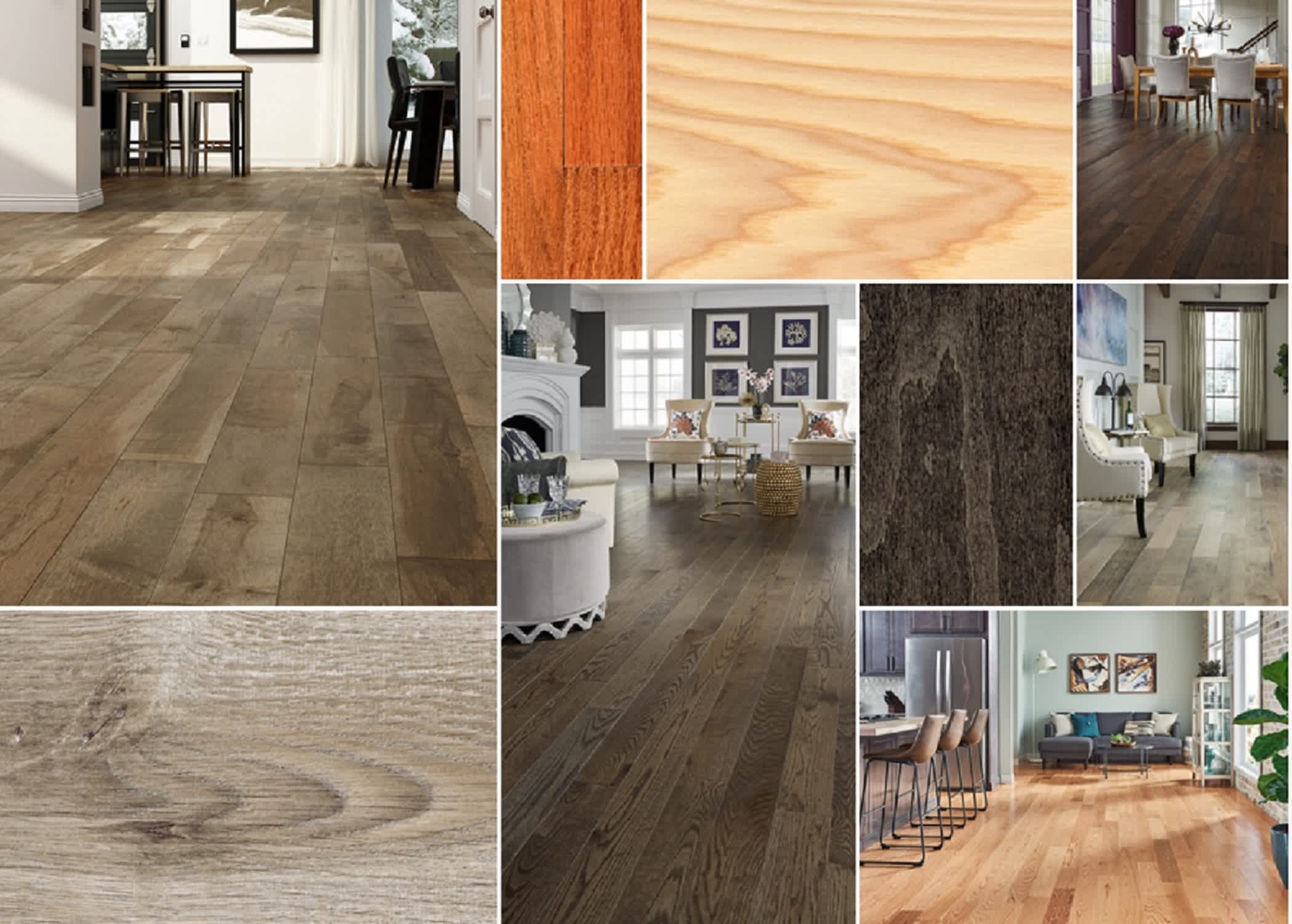
half its diameter into the wood. In the picture above, the orange reflects the hardness while the violet reflects stability. Northern Red Oak is the species that all
others are compared against and if the Janka rating is higher for that wood, it
denotes a harder wood. For example the Janka rating for Northern Red Oak
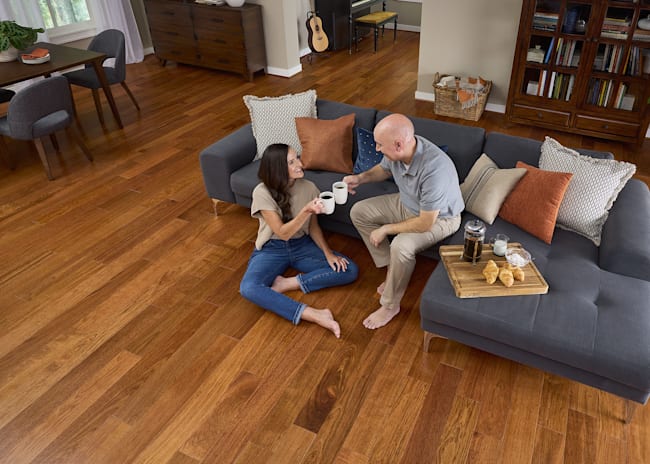
is 1290. Brazilian Walnut, a very hard wood, has a Janka rating of 3680.
That makes it roughly 185% harder than Northern Red Oak! It also makes it
difficult to install but we’ll leave that for another day. Janka testing helps
customers to understand the resistance of wood to wear and denting and is used
to approximate product and customer expectations. Even though it creates
numerical results for hardness, natural variations are to be expected, even
within a species.
Also, there is not a
relationship between wood hardness and surface finish wear, which is why
manufacturers do not warranty wood flooring against scratching and
denting. While it’s true that a particular species used in flooring is
durable enough to handle day to day use, that doesn’t mean a harder wood won’t
dent.
Trees come from nature and
because of their cell structure, all wood products can dent and scratch. So if
you take a hammer to your floor and pound as hard as you can, you’ll probably
be able to dent your floor. Something we definitely don’t
recommend. What did that poor floor do to you anyways?
Appliances and furniture
can eventually leave dents on hardwood flooring. Luckily, wood floors can
be restored using “Touch-Up Kits”, individual board replacement, or a total
sanding and refinishing of the floor if needed.
No floor is “Scratch
Proof”. However urethane finishes are applied to take limited surface
abuse, thereby protecting your investment…the wood underneath. Taking
safeguards like applying felt pads to furniture, keeping your floor clean,
using rugs or walk-off mats at entrances to the home, keeping your pet’s nails
trimmed, not using the “beater-bar” on your vacuum, or having a “No Shoe”
policy (or at least a “No High Heels” policy) are good ways to protect your
floor.
Another attribute to consider
is stability. Stability refers to how much an installed wood floor
expands and contracts in relationship to the change in humidity. Northern
Red Oak is once again used as a baseline. If the percentage is higher
than Northern Red Oak, then is it more stable and reacts less to moisture
changes within the environment.
With a little research, you can choose a floor that you will love and will look beautiful for years to come.
Janka testing helps customers to understand the resistance of wood to wear and denting and is used to approximate product and customer expectations.
Posted by: Wood Floors Frisco | November 04, 2010 at 10:00 PM